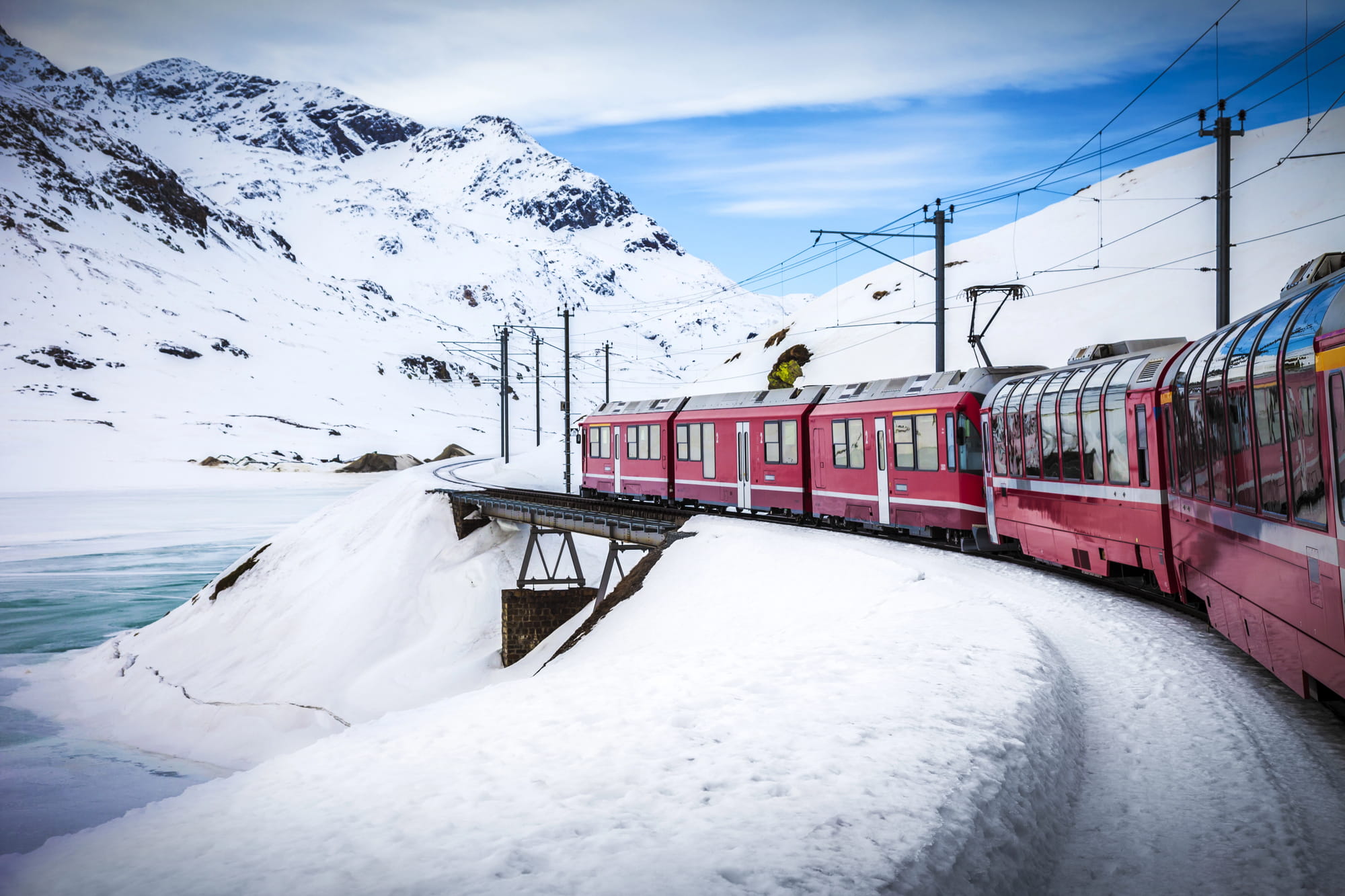
Rail transportation has always been and likely will always be one of the most efficient means of moving goods and passengers across long distances; however, the impact of winter weather can significantly hinder the reliability and practicality of rail transportation. It is important to have a dependable, environmentally friendly, and low-labor solution to clear accumulating snow and ice from track switches, while providing passenger comfort heating.
While it may seem like an easy decision, heating railways and transportation systems can often be overlooked and lead to delays, unhappy commuters, or even supply chain issues. Heated switches reduce the likelihood of snow and ice buildup, which in turn reduces the number of required stops during transit, prevents derailment, and enhances safety on the railway. Heating of point rails, switch hardware, and other rail equipment are all essential components to moving both freight and passengers safely and efficiently.
Key Challenges in Traditional Systems
Rail and transit systems face several winter-related challenges that can reduce reliability, safety, and passenger satisfaction:
- Snow and ice buildup: Unheated rail switches accumulate ice, increasing the likelihood of unplanned stops or delays.
- Transit delays: Heating railways and transportation systems is often overlooked, leading to delays, unhappy commuters, or even supply chain issues.
- Safety risks: Heated switches reduce the likelihood of snow and ice buildup, which in turn reduces the number of required stops during transit, prevents derailments, and enhances railway safety.
Efficient Burners
Fastrax Electric Heating
The Fastrax electric heating system transfers heat to the rails themselves, keeping them free of snow and ice. These rail heaters are the most efficient in the industry, with the largest contact area between heater and rail, which drastically speeds up the heating process. Highly customizable, the Fastrax system can be used to heat many different parts of the track. From Fastrax crib heaters that keep switch rods operating freely to Fastrax Switchblade switch heaters, control systems, and sensors, heating systems can be designed for transit systems of any size in any environment.
The Switchblade system can provide up to 500 W/ft of heating, making it the ideal choice for quickly removing snow from switches and frogs. Constructed from stainless steel, these systems were built for the wet, dusty, rugged conditions experienced by transportation equipment.
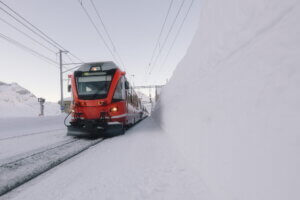
Figure 2. Unheated rail switches accumulate ice and increase the likelihood of unplanned stops or delays.
Hellfire Forced Air Heaters
The Hellfire forced air heaters are designed for the most demanding applications. Natural gas, or propane, is combusted in an efficient manner, generating heat and delivering it at high velocity to counter wind at key rail components that must be kept free of snow and ice.
While natural gas heating is nothing new, the Hellfire system optimizes the fuel-to-air ratio, making the burners 95% efficient. Not only are these the most efficient burners on the market, but they are also constructed for minimal heat waste. The carefully designed ductwork focuses heat where it needs to go, such as the most critical parts of a rail switch, reducing the amount of waste heat.
Like the Fastrax system, the Hellfire system is controlled using feedback from a variety of sensors, including track temperature sensors, precipitation sensors, and ambient air sensors. This means the burners are only fired when there is a threat of snow or ice.
The Hellfire system also generates minimal noise so as not to contribute to the inconvenience of traditional rail transportation disturbances that are often frustrating nuisances to surrounding areas. In spite of the large volumes of moving air, the Hellfire forced air heaters are suitable for the urban environment, not disturbing nearby residents or worsening noise pollution.
While Hellfire runs on natural gas or propane, Thermon also offers energy-efficient heating blankets to heat the propane tanks designed to maintain vapor pressure at low temperatures.
Heating railways and transportation systems can often be overlooked and lead to delays, unhappy commuters, or even supply chain issues.
Energy Management System
Besides the heaters themselves, Fastrax also uses advanced control systems to optimize heating and reduce energy use. Thermon’s Energy Management System (EMS) uses feedback from a variety of temperature and precipitation sensors to determine when heating is required. The EMS can be used with both Fastrax and Hellfire systems and scaled for the number of heaters and the general size of the system required.
The Single Heater EMS, as the name implies, can be used to manage one heater, while the Multi Heater EMS can manage up to 10 heaters. These allow for all heating controls to be accessed from a single control panel, which can be placed along a siding or right-of-way.
Regardless of the size, the EMS will process data from sensors to determine when heating is required. Rail temperature sensors, ambient air temperature sensors, and ArcticSense precipitation sensors all provide data to the EMS for this purpose. The EMS can determine whether ice is likely to form and heat only under these conditions, saving energy over simple “on-off” or “bang-bang” controllers.
Thermon also provides control panels and power distribution centers with pre-wired assemblies to make installation easier and to get systems up and running with little downtime.
Comfort Heating for Passengers With Thermon Velocity
Thermon’s Velocity line of products increases the comfort of riders in passenger cars in a safe and efficient manner. Custom solutions for heating train cars is essential, as ridership often increases during colder weather, when many commuters are less likely to venture out in the snow.
While a forced air blower that is poorly designed will direct too much heat in some places, making some seats too warm and others too cold, generate too much noise and move too much air, causing papers to blow away, hair to get messed up and so on; Thermon’s Velocity applies the right amount of heat in the most efficient manner possible, and also provides customer comfort that includes limiting the amount of rapidly moving air, reducing vibration and noise, and occupying as little space as possible.
The Velocity line of heating products includes floor, duct, and door pocket heaters. Cab heaters and floor heaters, including Calvane Floor Heaters, efficiently heat from the bottom up and can be strategically placed out of the way of customers. Overhead duct heaters are capable of heating large areas and open spaces or can be coupled with existing HVAC hardware to distribute heat evenly through these spaces. Thermon also offers door pocket heaters, used for keeping doorways free of snow and ice, as well as offsetting the leaking of climate-controlled air to the cold outdoors.
Velocity Comfort Heating products are all custom-designed to fit the application. Thermon’s Research & Development team works with customers to ensure all specifications are met while minimizing weight, power consumption, and complexity.
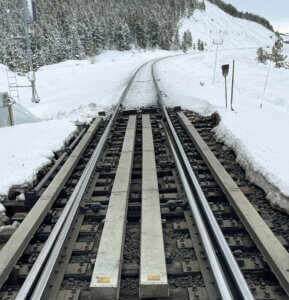
Figure 4. Installed Hellfire clears snow and ice. Source: Thermon, Inc.
Increasing Energy Efficiency
Adding snow removal and heating capabilities does not have to mean expensive utility bills. The Thermon heating systems are optimized to use as little energy as possible to provide the necessary heat.
The secret to energy efficiency and maximum performance is a tightly controlled process, such as the mixing ratio between fuel and air during combustion. To get the most out of combustion heating, the proper ratio between gas and air must be maintained. If the mixture is too rich (too much fuel), fuel is wasted, but if it is too lean (too little fuel), not enough heat is generated, meaning the heater must run longer. Thermon heating systems control the combustion to ensure they maintain a proper fuel-to-air ratio throughout the heating process.
Thermon’s heating systems leverage data from numerous sensors, including their ArcticSense snow sensors. These sensors detect when there is precipitation at 3° C or below, which can quickly turn into ice on contact with metal rails. Once the precipitation has been detected, the sensor signals the heaters to start, preventing ice from forming without wasting energy.
All of these improvements save money in the long run and help freight and passenger lines meet their environmental goals. This is part of Thermon’s commitment to sustainable, energy-efficient heating systems.
Impact on a Global Market
Thermon’s heating solutions are available and in use worldwide. Railways use them to remove snow from track switches and other wayside equipment for both the safety and comfort of passengers and workers. With the steady popularity of rail travel, the removal of snow can keep trains running on time and safely, adding value to the transportation system as a whole.
With proper heating, commercial lines will keep freight moving, regardless of the weather conditions. This will keep supply chains open, making on-time deliveries possible and exceeding the customer’s expectations when winter weather would otherwise slow arrivals.
Thermon, Inc.
Thermon offers many energy-saving and carbon-cutting solutions for the transportation industry. Reach out to Thermon to see how to benefit from a Fastrax, Hellfire, or Velocity system and reduce carbon footprint. For more information, visit Thermon’s website to contact their transportation heating experts.
Ready to Go Deeper?
Explore Thermon solutions, related technical resources, or connect with our team.