The Opportunity for District Heating Systems
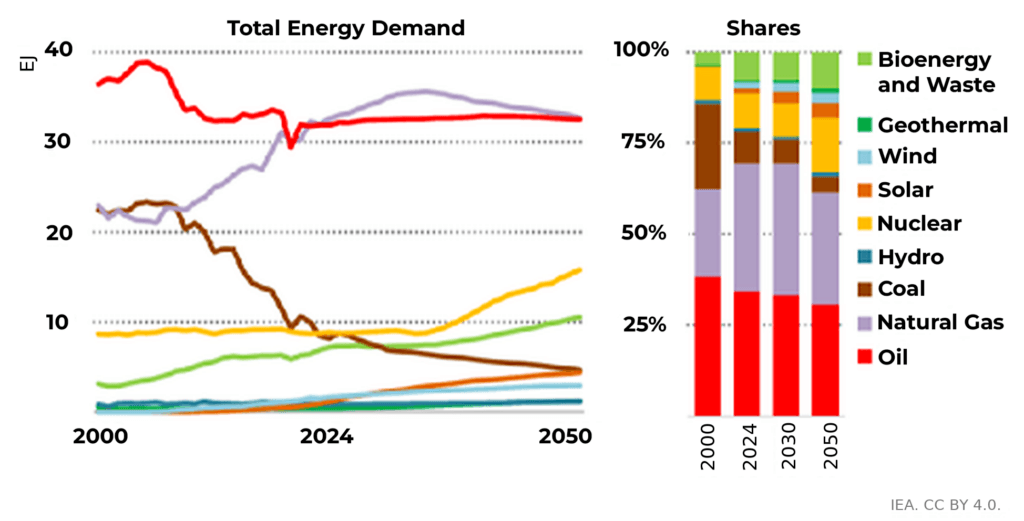
District heating networks are becoming increasingly important to urban decarbonization strategies, yet many systems still rely on fossil-fueled boilers for peak and balancing heat. At the same time, power systems with growing shares of wind and solar generation face challenges associated with variability, curtailment, and frequency stability.
As renewable generation expands, periods of surplus electricity are becoming more common. In many cases, available renewable power cannot be fully utilized due to transmission constraints, market conditions, or limited demand. This results in curtailment, where clean electricity goes unused.
District heating systems offer a unique opportunity to help address these challenges. With large and predictable thermal demand, they can absorb excess electricity while continuing to provide reliable heat to customers.
Electrode boilers are particularly well suited for this role due to their high power capacity, rapid controllability, and compatibility with district heating infrastructure.
Key Terms
- Variability:
Renewable generation output changes throughout the day and with weather conditions, creating fluctuations in electricity supply that must be balanced in real time.
- Curtailment:
Excess renewable electricity is sometimes reduced or wasted because the grid cannot absorb all available generation due to operational or transmission constraints.
- Frequency Stability:
The electric grid must continuously balance supply and demand to maintain a stable operating frequency and ensure reliable system performance.
Electrode Boilers in District Heating Applications
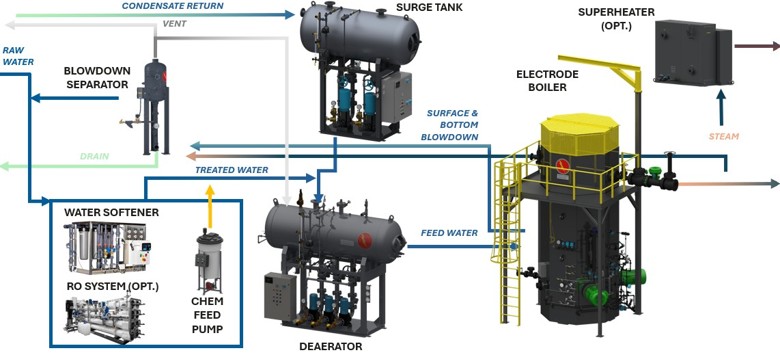
Electrode boilers generate heat through direct electrical conduction using water as the resistive medium. In district heating applications, they are typically connected at the primary supply temperature level and can range from approximately 4 MW to more than 100 MW of thermal output.
Key advantages for district heating operators include:
- Rapid load modulation, allowing operation as a highly flexible electrical load
- High efficiency, with more than 99% of electrical energy converted into usable heat
- Compact footprint, making them well suited for urban energy centers
- Low operational complexity, with no combustion systems or fuel-handling requirements
When operating at pressure, electrode boilers can move from 0% to 100% load in less than 60 seconds, enabling fast response to changing grid conditions.
Unlike heat pumps, electrode boilers are not limited by source temperature and can reliably deliver high-temperature water or steam during peak operating conditions. When paired with thermal storage, they also allow electricity consumption to be decoupled from immediate heat demand.
Value for District Heating Networks
Decarbonized Peak and Backup Heat
Electrode boilers can replace or significantly reduce reliance on fossil-fueled peak boilers. By operating during periods of low electricity prices or high renewable generation, they provide a low-emissions alternative while maintaining system reliability.
Absorbing Excess Renewable Generation
In regions with substantial wind and solar resources, electrode boilers can convert surplus electricity into useful thermal energy rather than allowing that power to be curtailed. This helps maximize renewable energy utilization while supporting local decarbonization goals.
Participation in Grid Services
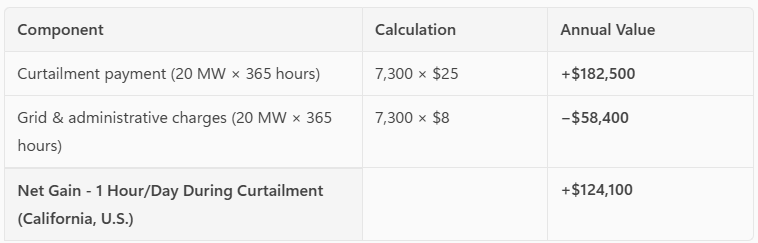
Because electrode boilers can rapidly increase or decrease electrical demand, they are capable of supporting grid-balancing services such as demand response and frequency control. This creates opportunities for district heating operators to generate additional revenue while supporting overall grid reliability.
Operational and Control Strategies
District heating operators can utilize electrode boilers in several ways depending on system objectives:
Heat-Led Operation
In a heat-led strategy, the boiler follows thermal demand and primarily serves to reduce or replace fossil-fuel generation.
Absorbing Excess Renewable Generation
In an electricity-led strategy, boiler operation is optimized around electricity prices and grid conditions, maximizing opportunities to absorb low-cost or excess renewable energy.
Hybrid Operation
Hybrid operation combines thermal forecasting, hot water storage, and electricity market signals. This approach aligns boiler operation with both heat demand and grid conditions, delivering the highest overall system value.
"Electrode boilers are transforming from simple heating equipment into critical energy infrastructure, enabling customers to decarbonize, optimize energy costs, and support a more resilient and flexible power grid." Tanner Mullins, Business Development Manager at Thermon
System-Level Impacts
Analysis shows that district heating systems equipped with electrode boilers and thermal storage can significantly reduce emissions while improving power system flexibility. Renewable electricity curtailment is reduced, and dependence on fossil-fueled peaking assets decreases across both the power and heat sectors.
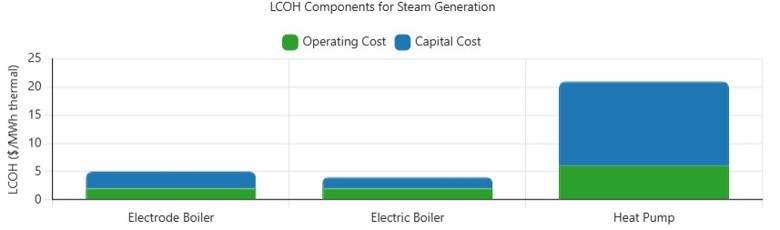
From an economic standpoint, electrode boilers offer a relatively low capital cost per megawatt when compared to alternative flexibility resources. When combined with avoided fuel costs and potential grid-service revenues, they can improve the overall economics of district heating operations.
Considerations for District Heating Operators
Fully realizing the value of electrode boiler installations requires a broader systems approach.
Key considerations include:
- Adequate thermal storage capacity
- Advanced forecasting and control systems
- Access to electricity and ancillary service markets
- Long-term strategies for renewable energy integration and decarbonization
Regulatory frameworks also play an important role. In many regions, district heating operators are still treated solely as electricity consumers rather than flexible grid resources, limiting their ability to participate in certain market opportunities.
Future Outlook
Electrode boilers offer district heating systems a powerful tool for accelerating decarbonization while improving operational flexibility and economic resilience. Their ability to function as both heat-producing assets and flexible electrical loads positions district heating networks as active participants in future integrated energy systems.
As renewable generation continues to expand and energy systems become increasingly interconnected, electrode boilers can play a foundational role in transforming district heating from a passive heat supply into a dynamic, renewable-first energy platform.
As a supplier capable of providing low-voltage, medium-voltage, and high-voltage electrode boiler solutions, Thermon is uniquely positioned to help district heating operators evaluate the right technology for their specific system requirements, infrastructure constraints, and long-term decarbonization objectives.
Ready to Evaluate Your District Heating Electrification Strategy?
Whether you're exploring renewable integration, reducing emissions, or improving grid flexibility, Thermon's team can help assess the role electrode boiler technology may play in your district heating system.