

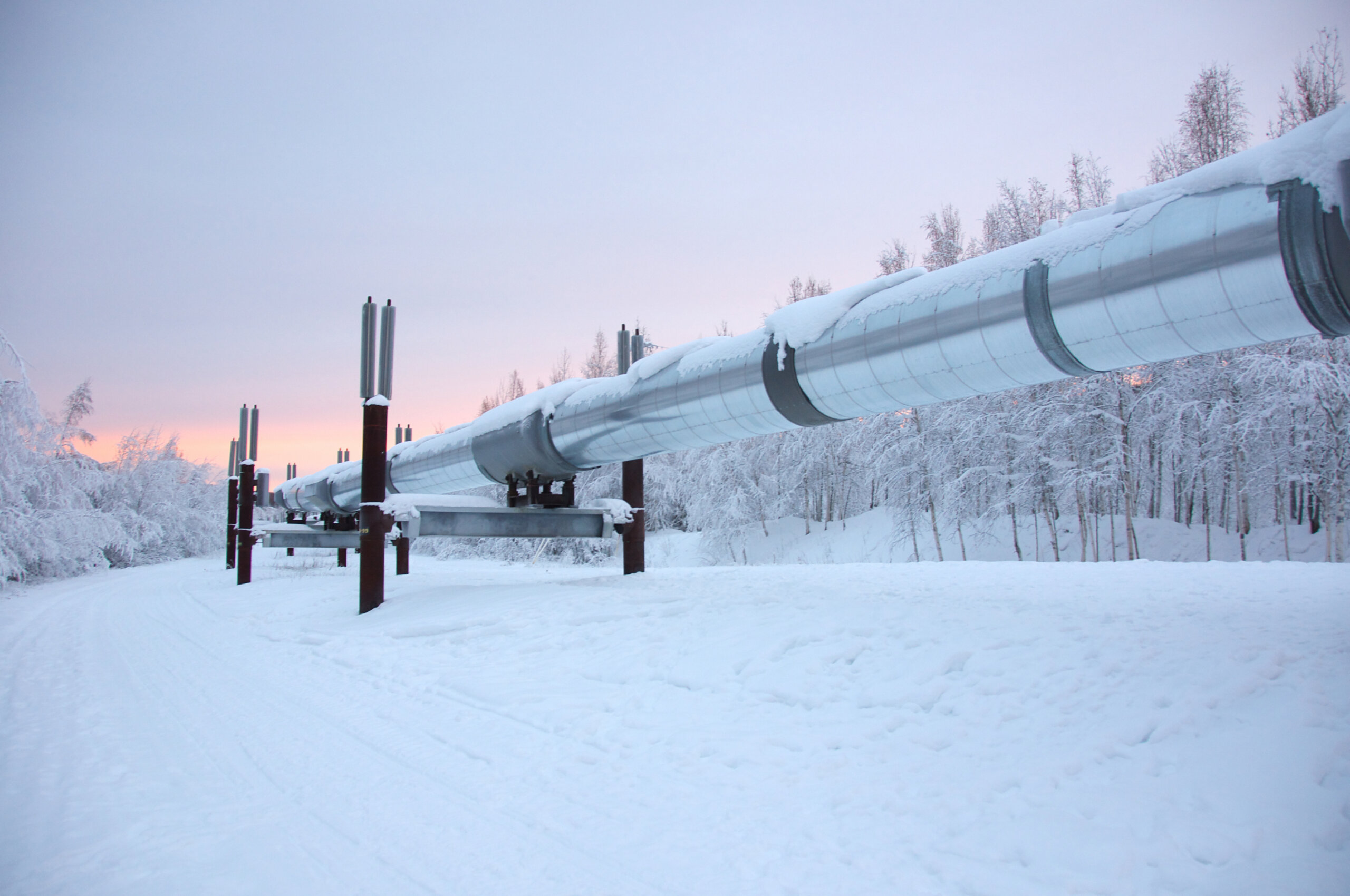
Industrial heat trace systems are essential for maintaining process temperatures, preventing freeze damage, and ensuring operational continuity. However, these systems often represent a significant portion of facility energy consumption. As energy costs rise and sustainability targets become more stringent, optimizing heat trace system efficiency has become a critical priority for plant managers and engineers.
Modern control technologies and strategic system design can dramatically reduce energy waste while improving reliability and performance. This article explores proven strategies for maximizing heat trace system efficiency without compromising safety or operational requirements.
Key Challenges in Traditional Systems
Traditional heat trace systems often rely on simple mechanical thermostats or fixed-output designs that operate inefficiently. These approaches lead to several common problems:
- Oversizing and overcycling: Conservative design practices and safety margins result in systems that provide more heat than required, cycling on and off excessively
- Poor ambient compensation: Fixed setpoints don’t adjust for changing weather conditions, leading to energy waste during mild periods
- Limited visibility: Lack of monitoring makes it difficult to identify inefficiencies or verify proper operation
Average Energy Reduction Potential
Modern Control Strategies
Advanced heat trace control systems address these challenges through intelligent temperature management and real-time optimization:
Ambient Compensation
By monitoring ambient temperature, modern systems automatically adjust heat output to match actual heat loss conditions. This prevents over-heating during mild weather while ensuring adequate protection during extreme cold events.
The transition to smart heat trace controls reduced our annual energy costs by 35% while improving temperature stability across critical process lines. Senior Process Engineer, Major Refinery
Implementation Strategy
Successful optimization requires a systematic approach that balances performance improvements with practical implementation constraints:
Start by conducting a comprehensive energy audit of existing heat trace circuits. Identify high-consumption areas and circuits with poor temperature stability. Prioritize upgrades based on energy savings potential and criticality of service.
Deploy advanced controllers in phases, beginning with the highest-impact circuits. Monitor performance metrics closely during the initial deployment to validate savings and refine control parameters.
Conclusion
Heat trace system optimization represents one of the most cost-effective energy efficiency improvements available to industrial facilities. Modern control technologies deliver substantial energy savings while improving operational reliability and visibility.
As energy costs and sustainability pressures continue to increase, facilities that invest in intelligent heat trace controls will benefit from reduced operating costs, improved regulatory compliance, and enhanced competitive positioning.
Ready to Go Deeper?
Explore Thermon solutions, related technical resources, or connect with our team.


